Their personal touch. Your creative world.
Explore a shopping experience where customers personalize your products using the artwork, characters, and design choices you approve. Built for brands and owners of original creative assets.
Early access · Embedded storefronts and brand controls are scoped before a pilot
Meet PrintGen.ai.
Put the creative tools in your customers’ hands.
PrintGen brings AI creation into the shopping experience. Start with an idea or photo, refine the design, and order it on apparel.
Explore a live consumer storefront powered by Vaybel, from the first prompt to product choices and checkout.
Try PrintGen.aiBrand-specific asset controls and embedded storefronts are scoped separately for personalization pilots.
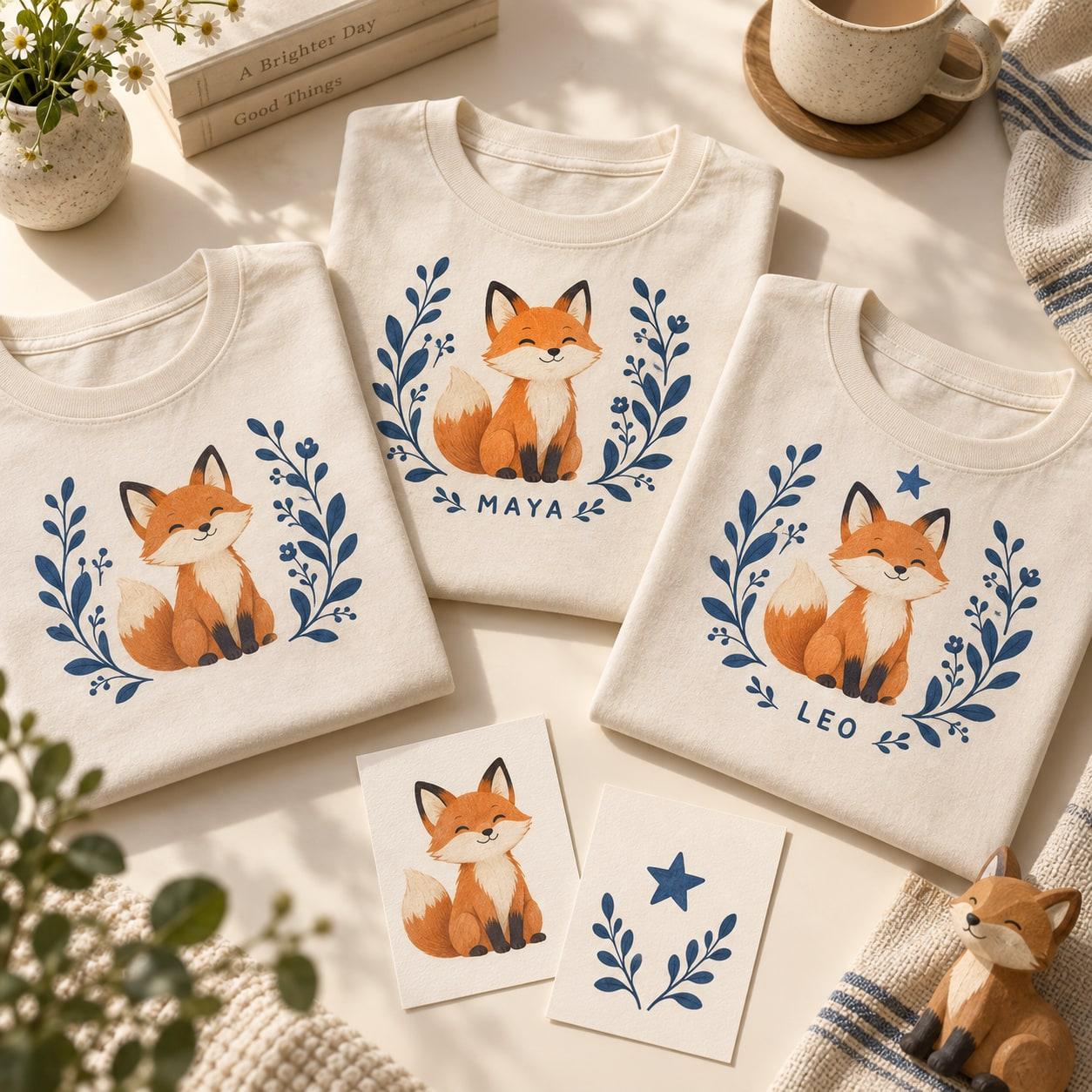
Give customers a role in the design.
An artist, game studio, or character brand could invite fans to add a name, choose an approved scene, or adapt an existing design. The goal is a personal product that still belongs in the brand’s world, with clear choices about what customers can change.
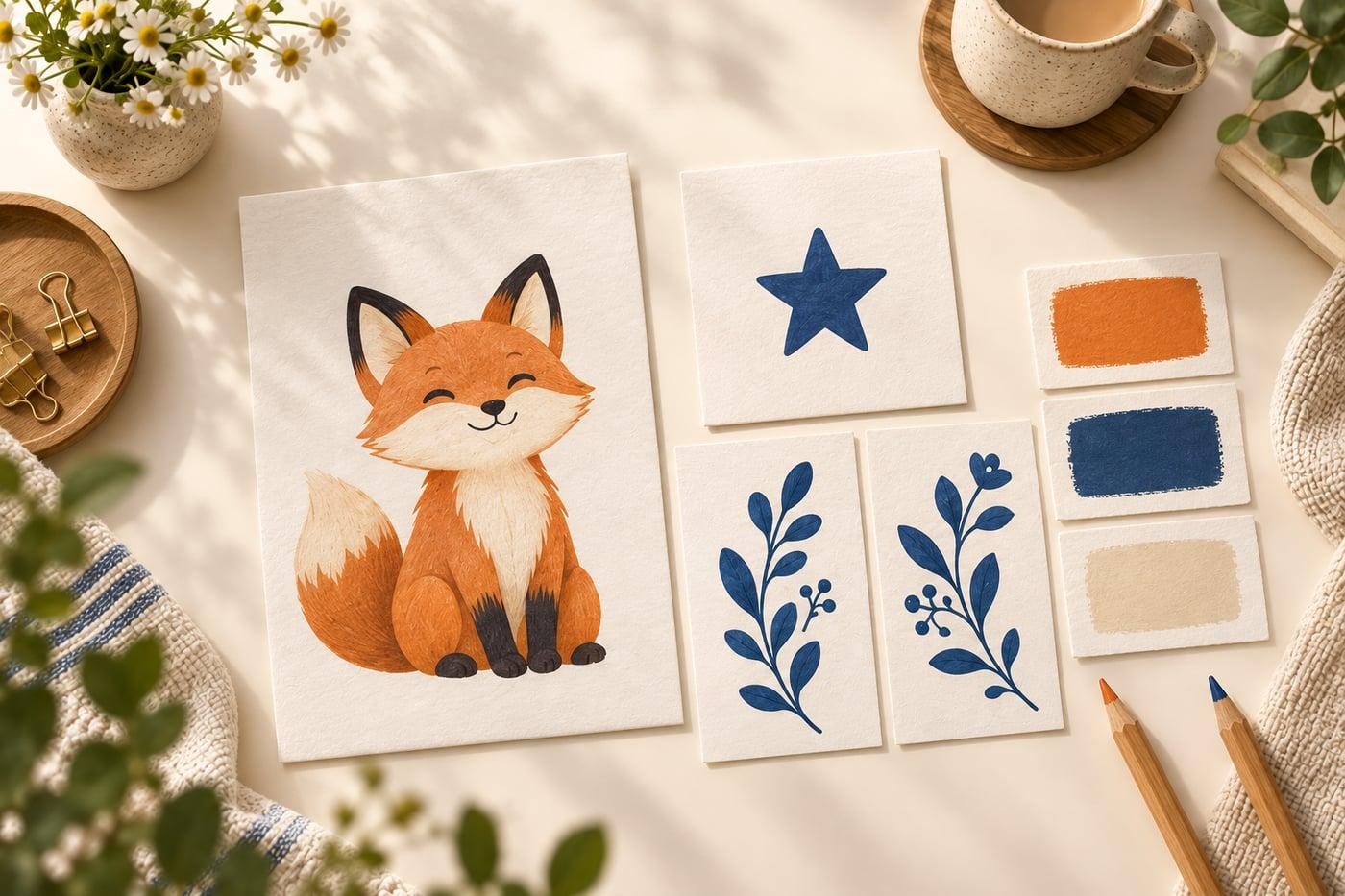
Start from your assets
Define the artwork, characters, logos, and visual references the experience may use, along with the products they belong on.
Choose the level of freedom
Plan simple personalization, edits to an existing design, or AI-assisted creation. Decide which elements must remain fixed.
Connect the purchase to the product
Scope how a customer’s preview, selected variant, approved print file, order, and fulfillment provider stay connected.
Design the boundaries before opening the experience.
A pilot starts with a small catalog, a defined set of creative assets, and one storefront. The workflow below is the proposed early-access experience.
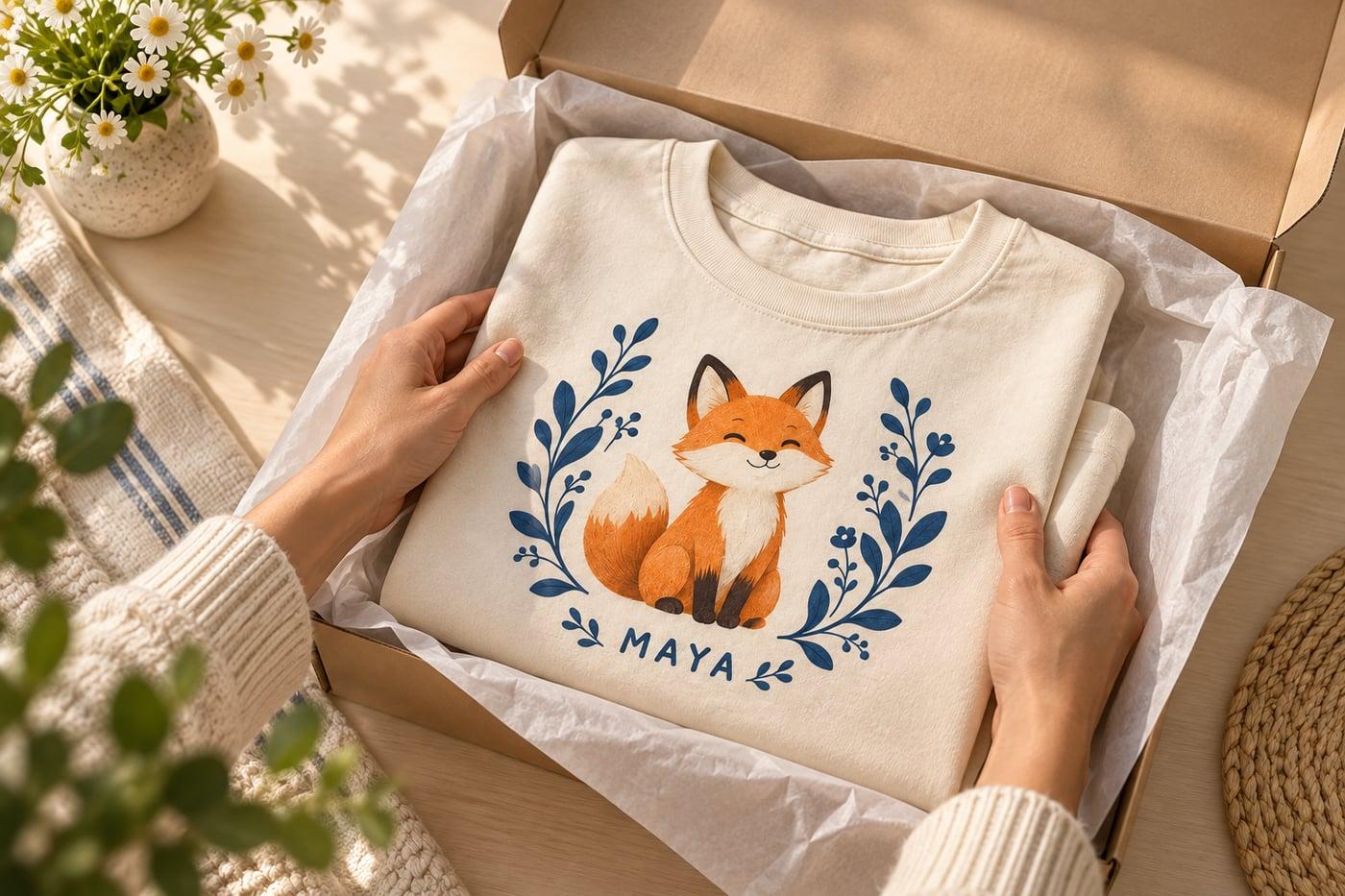
An original character, in a customer’s own story.
Imagine an independent animation studio offering its own characters on a hoodie. A customer chooses an approved character and scene, then adds a name. A more open AI variation could follow once the studio has approved the allowed transformations. This is an illustrative concept, not a live customer program.
Define the approved creative library
Choose the assets you own or are authorized to use. Specify approved versions, permitted products, and the artwork that must never be altered.
Decide what a customer can change
Choose text fields, palettes, layouts, asset combinations, or AI-assisted edits. Agree which requests need review and how unsuitable requests should be handled.
Scope generation and preview
Use the existing design-generation foundation to explore the intended interaction. Test whether previews preserve the brand elements and accurately represent the product.
Connect storefront and fulfillment
Agree the storefront integration, variant configuration, print-file handoff, and order review process before implementing a pilot. Embedded checkout support is not a generally available self-serve product.
Review the pilot before expanding
Assess output quality, customer completion, generation cost, and fulfillment accuracy. Expand the catalog only after the full purchase-to-production journey is working.
The foundation exists. The embedded product is early access.
Existing creative tools
Vaybel provides AI design generation, design edits, Brand DNA, product mockups, and provider connections. Brand DNA guides creative output; it is not an enforceable licensing or asset-permission system.
To be developed and validated for a pilot
The approved-asset library, enforceable design constraints, customer-facing embed, review controls, and order-specific production handoff need scoped implementation. Availability and supported storefronts are agreed with the team.
Before you get started.
Is this a Shopify app I can install today?
The embedded personalization experience is in early access planning. Contact the team with your storefront, catalog, and intended customer interaction so we can assess a pilot.
Can I use characters from another brand?
The experience is intended for assets you own or are authorized to use. A brand’s approval and permitted uses must be established before its assets are included.
Can AI guarantee that every result follows our brand rules?
No such guarantee is offered. A pilot must define fixed elements, permitted edits, output checks, and any human approval needed. Brand DNA alone does not enforce those controls.
How is this different from adding a name to a shirt?
Simple text and image personalization is one possible interaction. The broader direction is adapting designs with AI inside an approved creative system, while connecting the result to a real product and order.
Bring your creative world to the conversation.
Share your storefront, a few products, the assets you control, and what you would like customers to personalize.